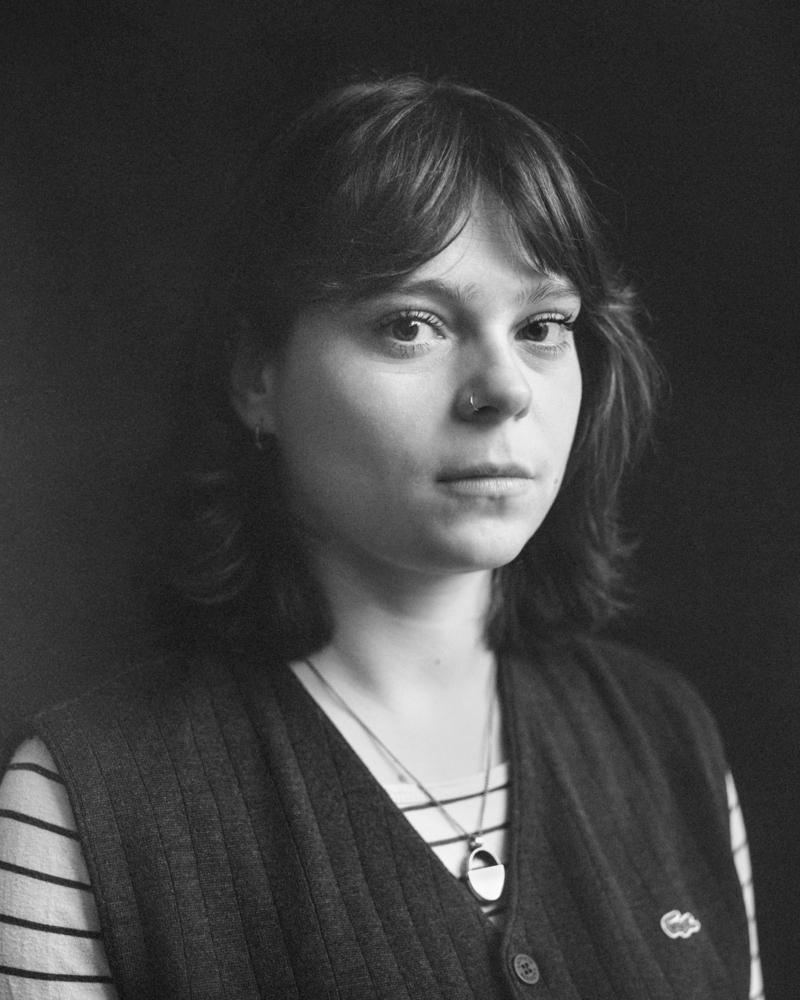
Pippilotta Yerna was born in Maastricht, and raised in a family of artists. She is deeply devoted to photography as a means of establishing connections and enchanting absurdity. Her artistic journey has been profoundly shaped by Pippilotta’s father's struggles with mental health and his distinctive artistic vision. This experience has given her a wry, sarcastic perspective on life, equally influenced by Pippilotta’s mother's unwavering ideology that joy and hope are unbreakable.
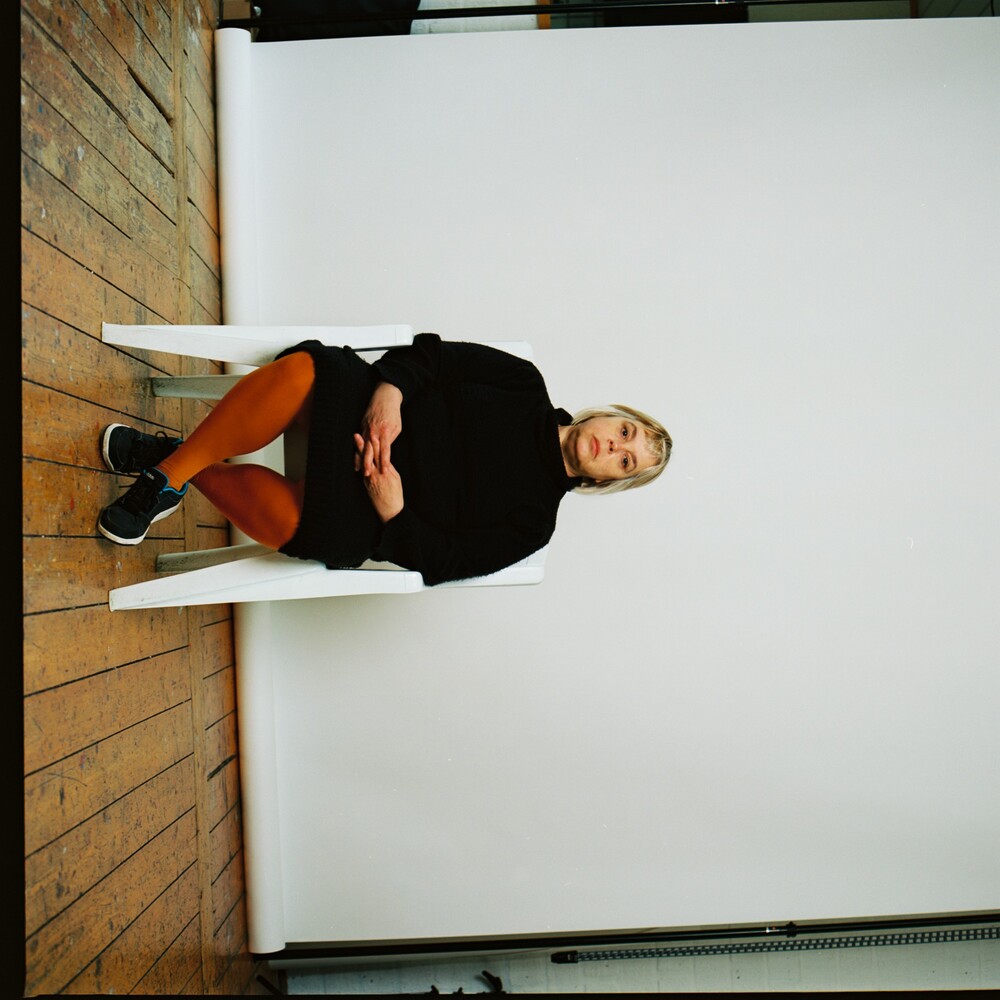
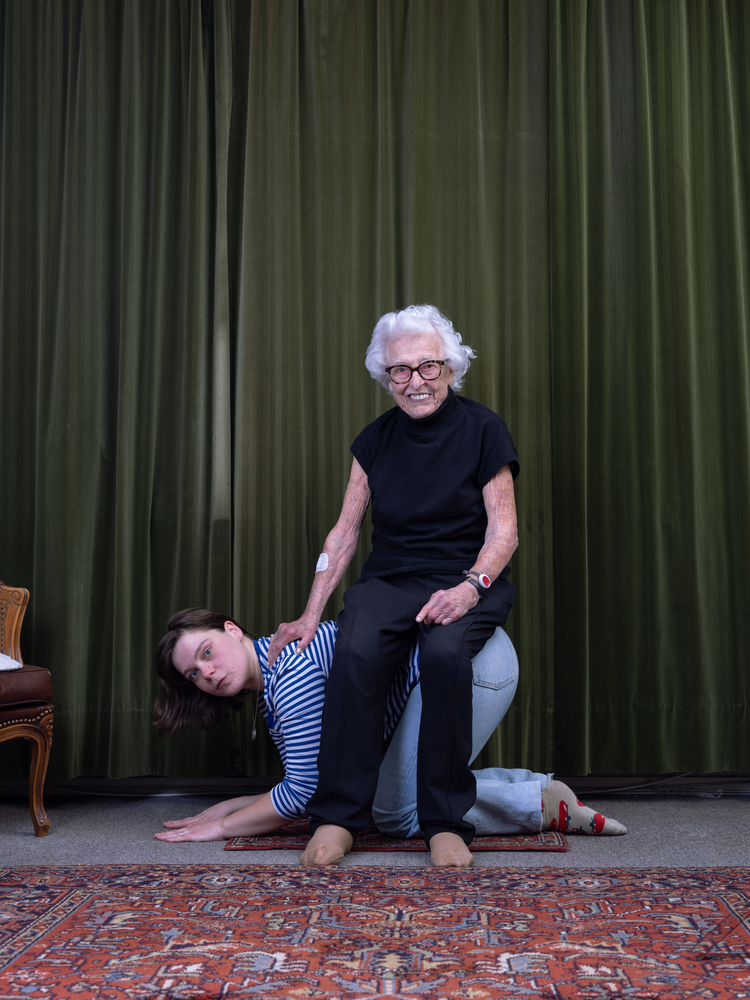
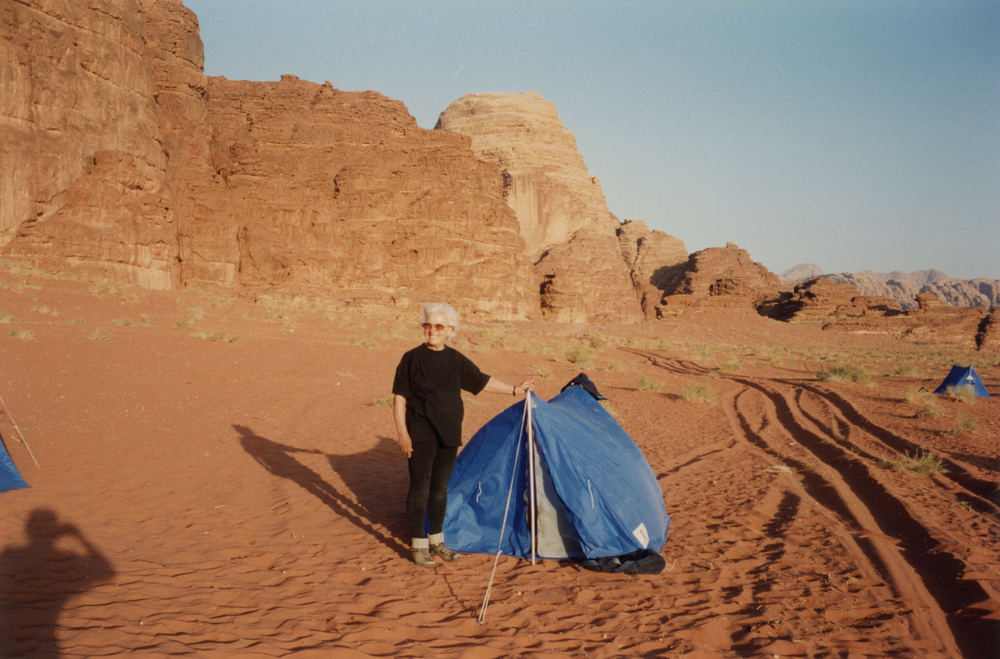
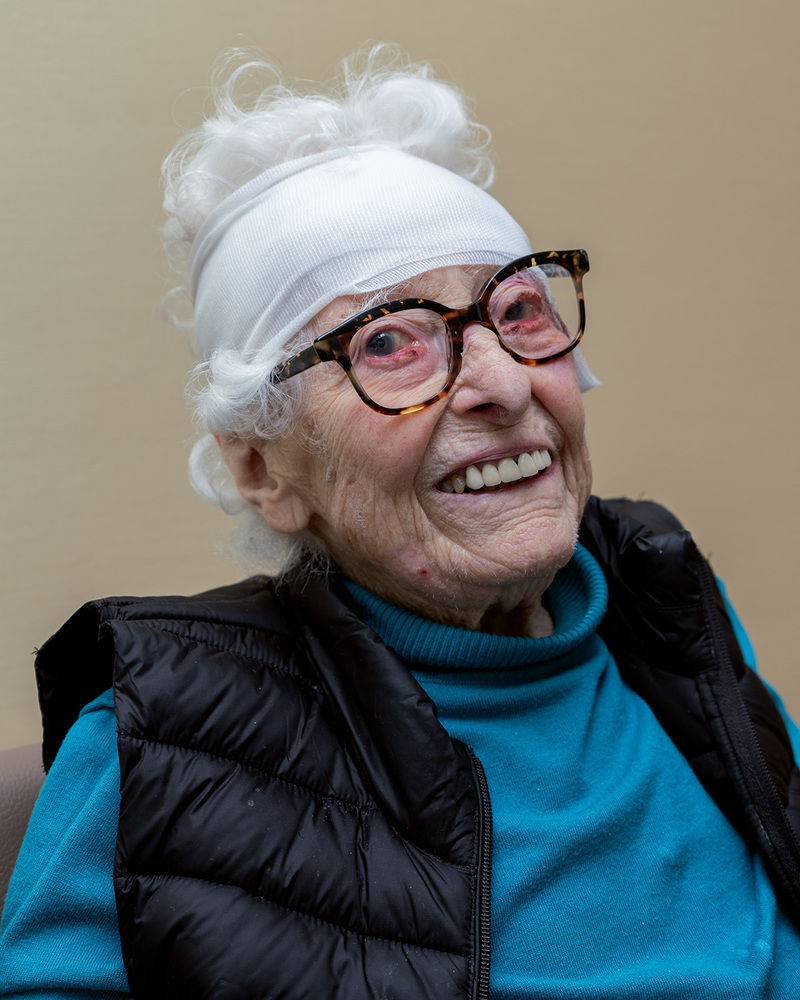
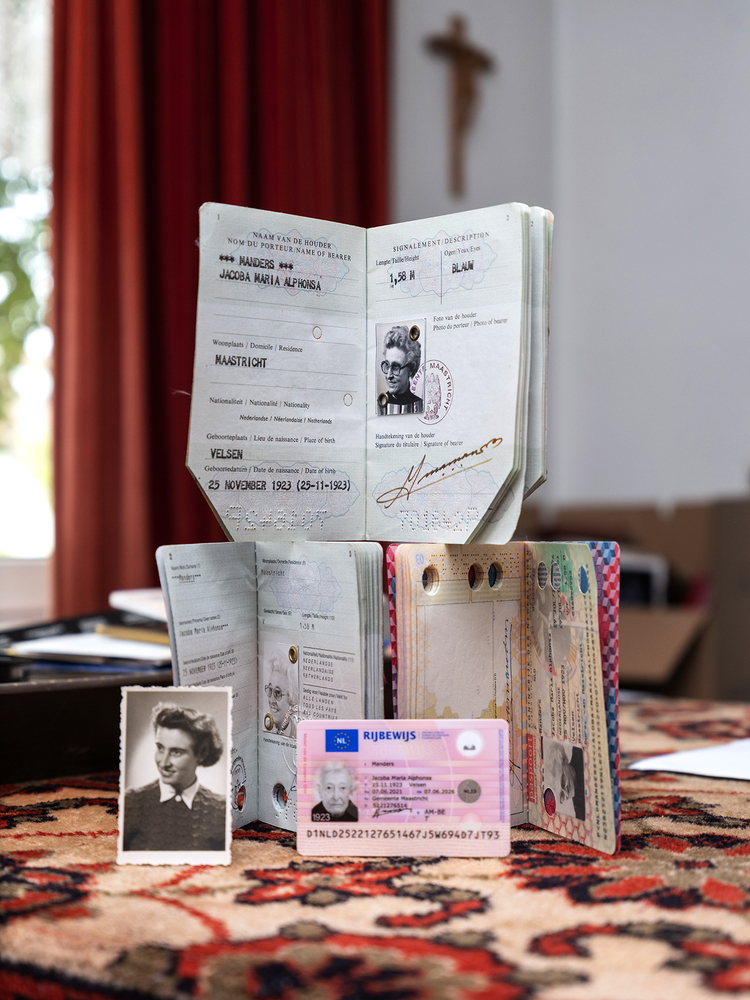
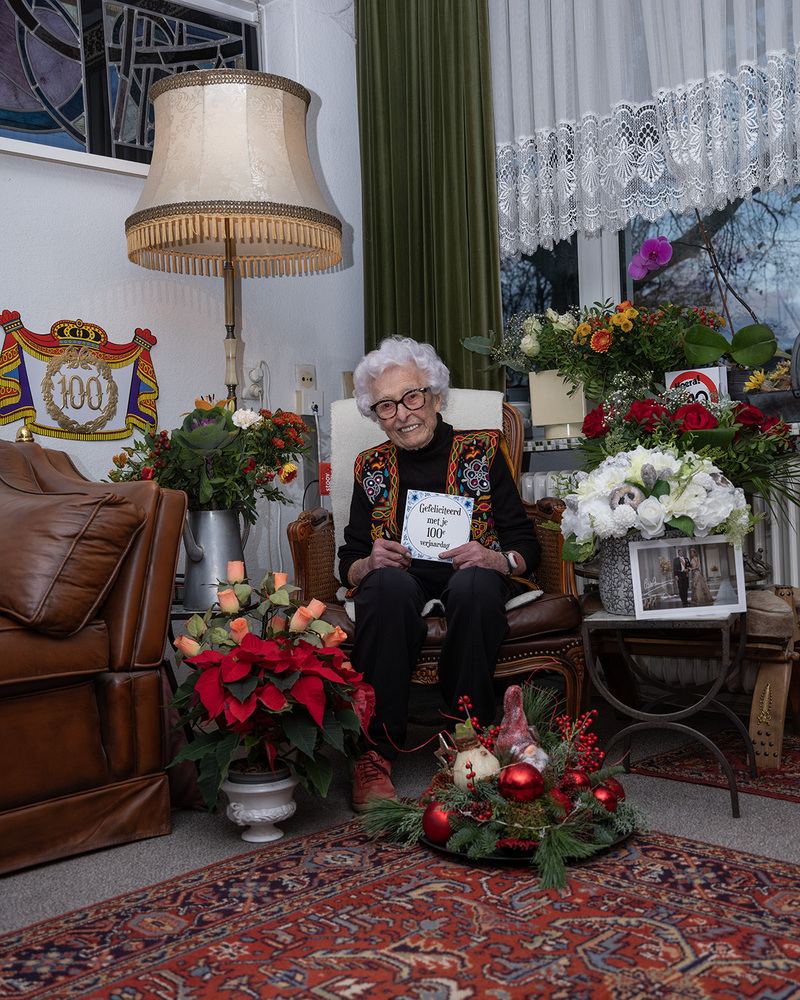
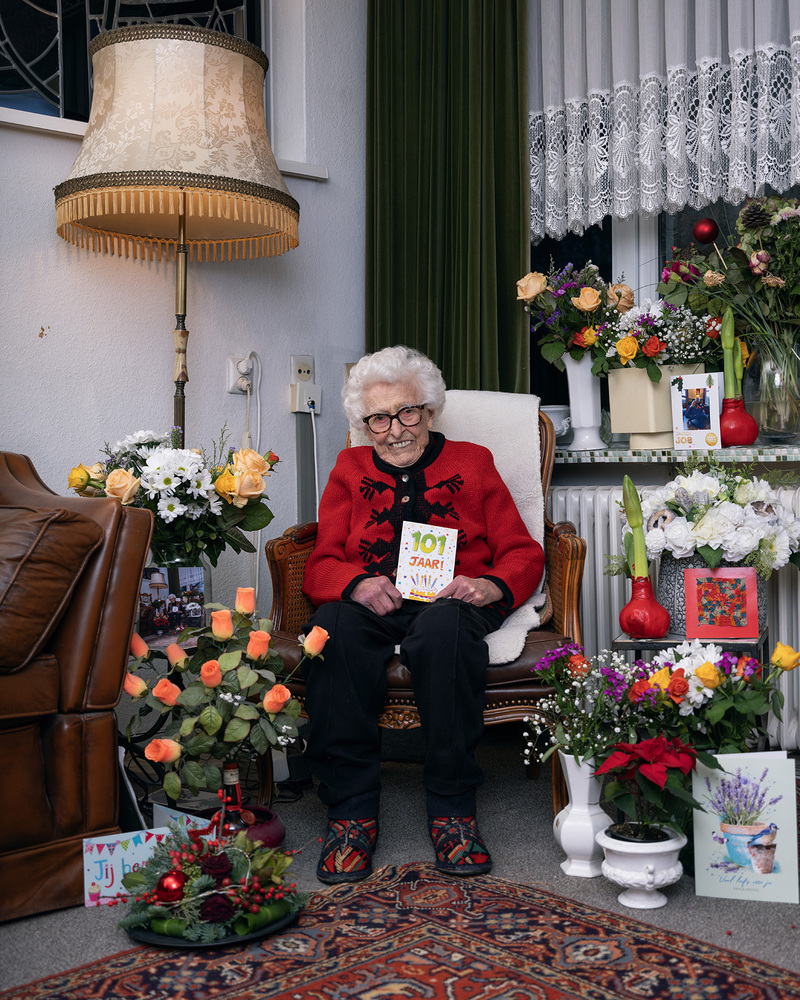
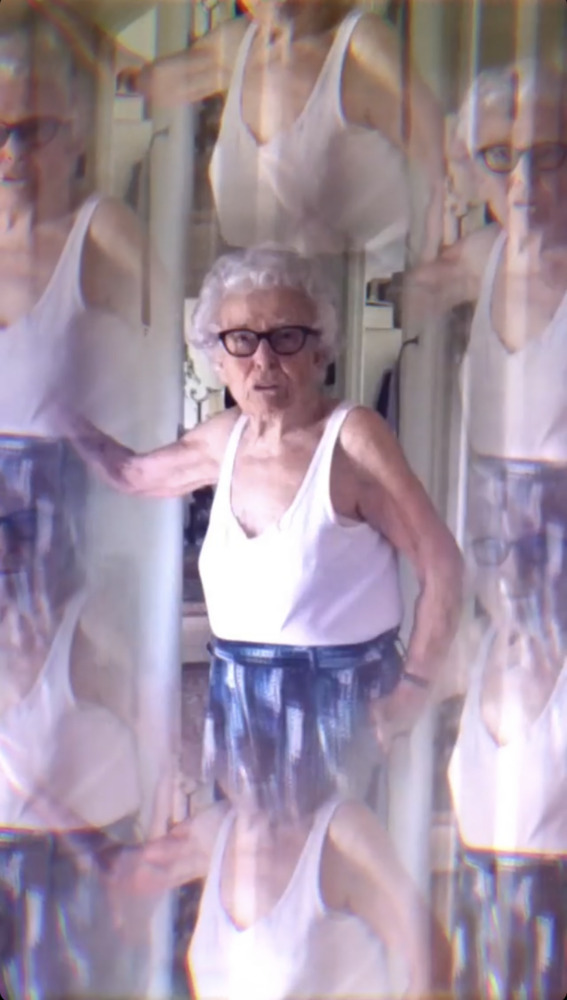
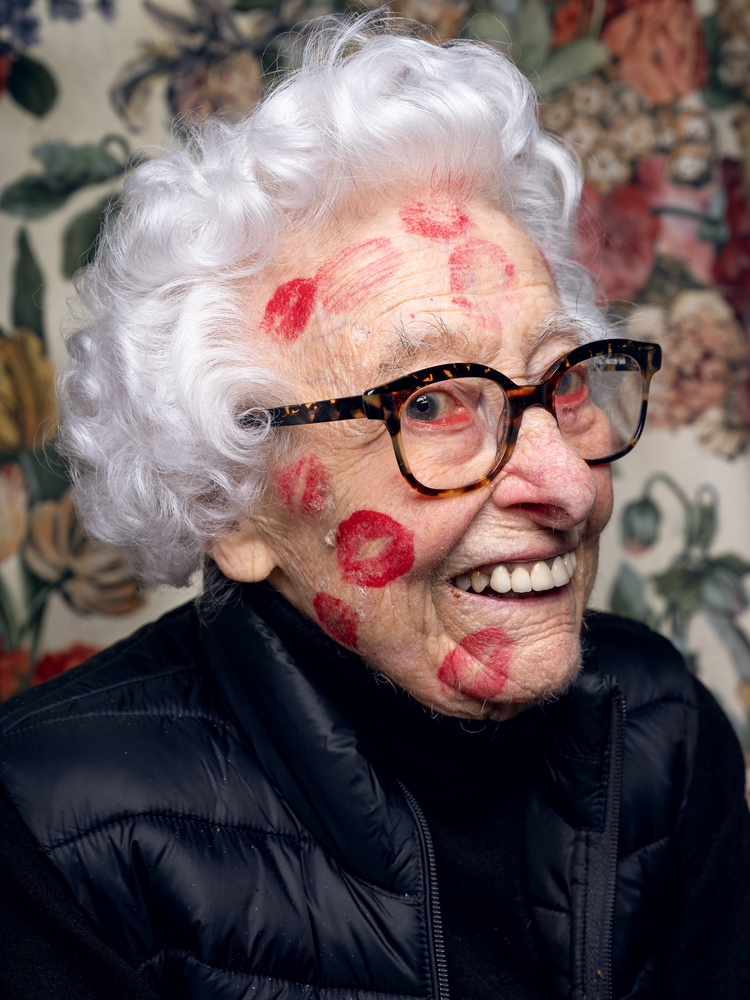
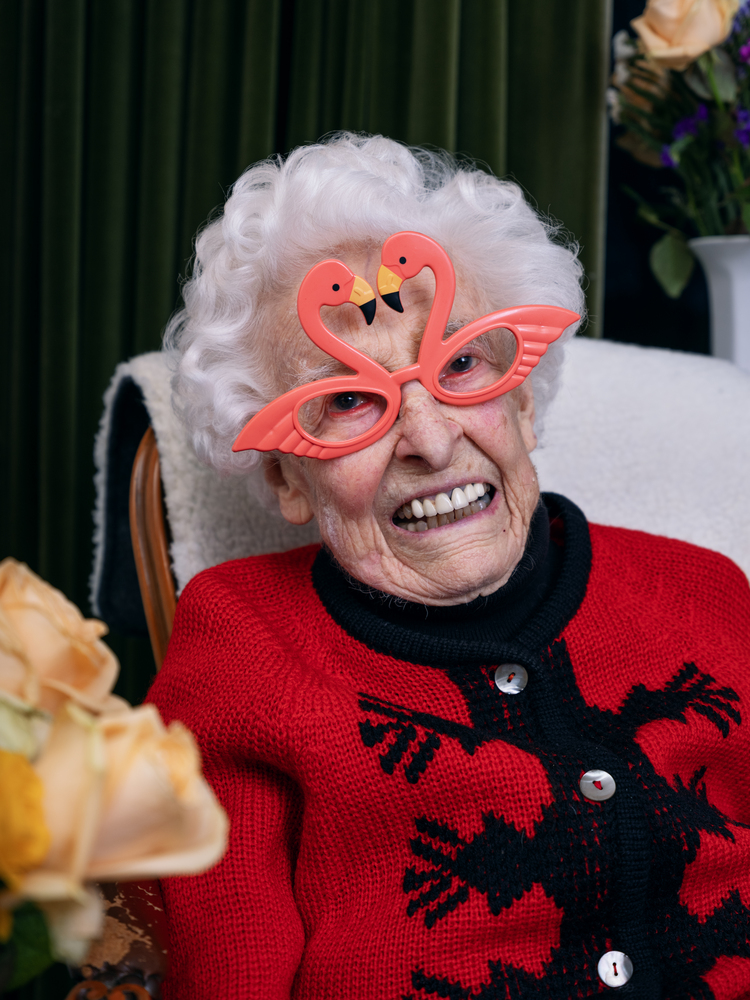
My great-aunt Jacoba Manders taught me that aging is not disappearing.
Despite our 71-year gap, she felt like my best friend. Her legacy is not material, but emotional: tenderness, resilience, and truth, an inheritance that quietly shapes how we live on.
What defines a long and happy life? Winning the lottery? Traveling the world in a hot-air balloon? Becoming the president of America?
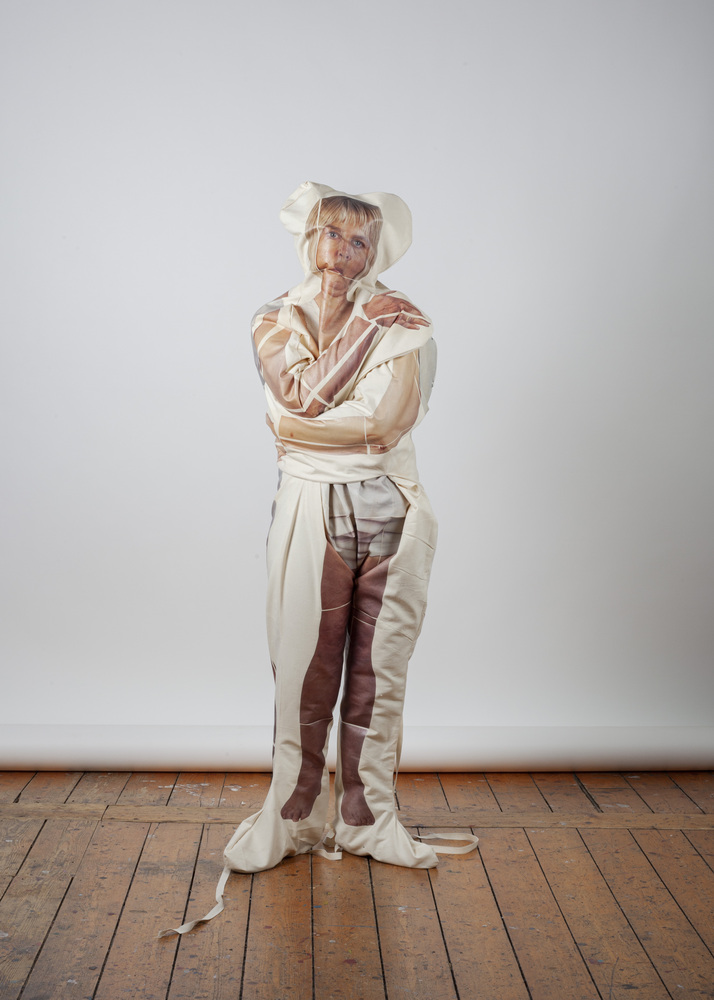
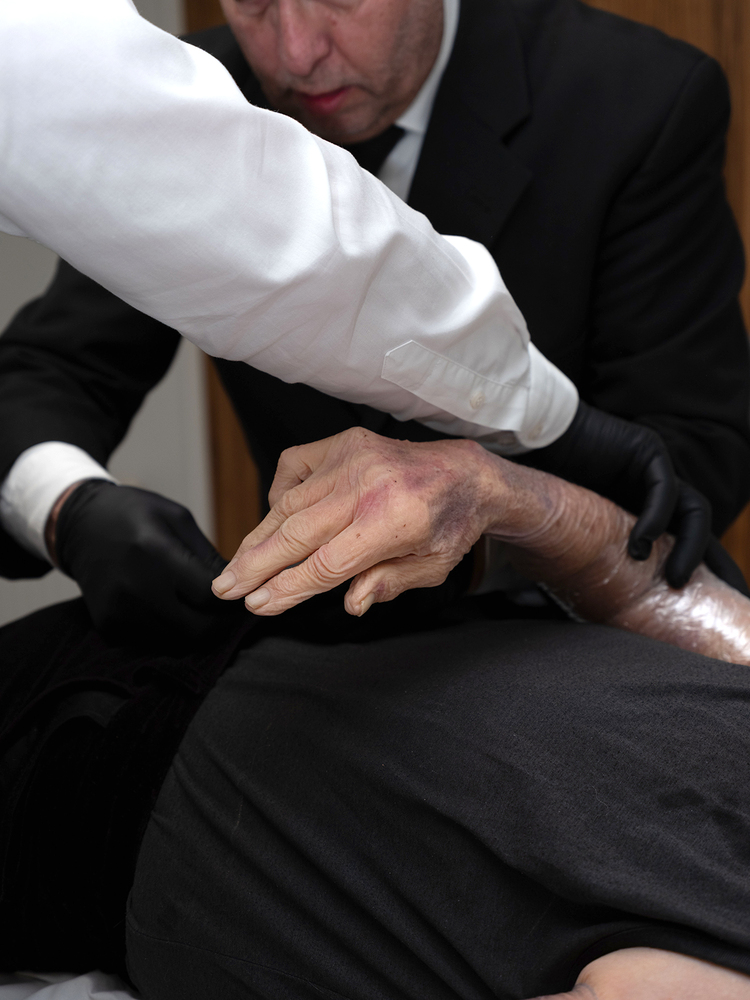
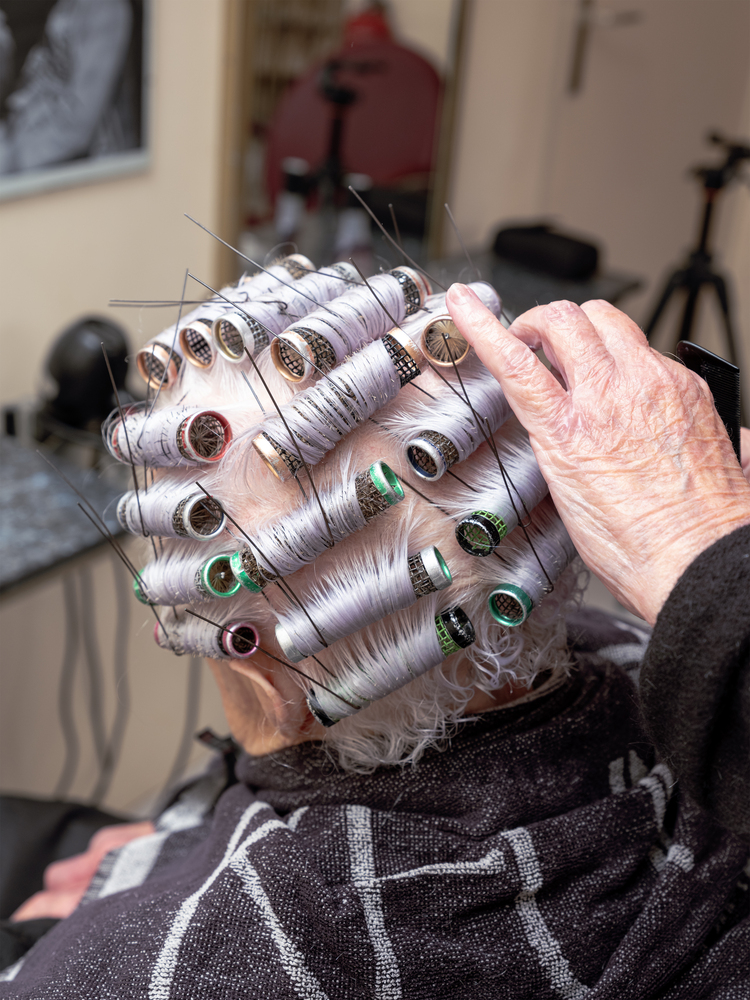
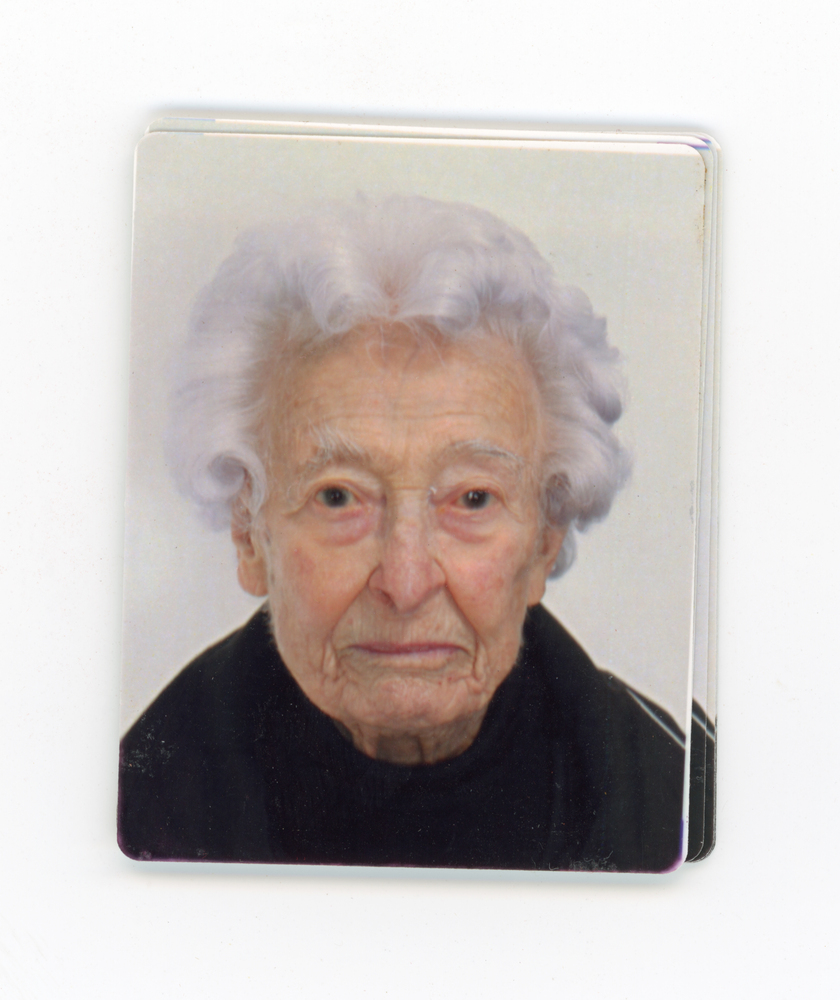
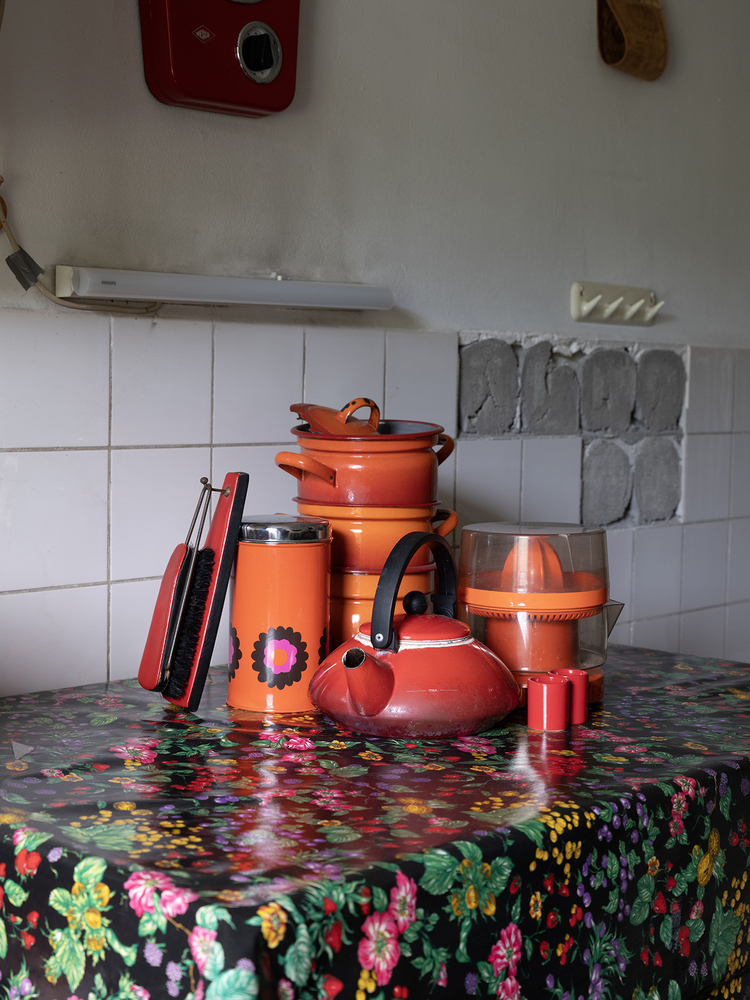
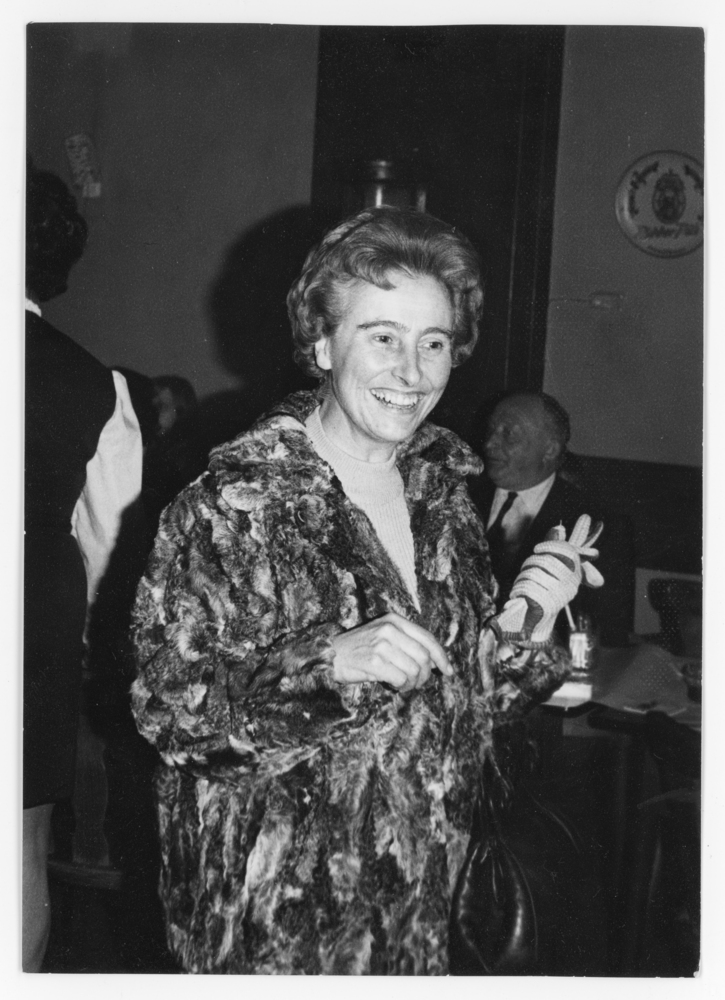
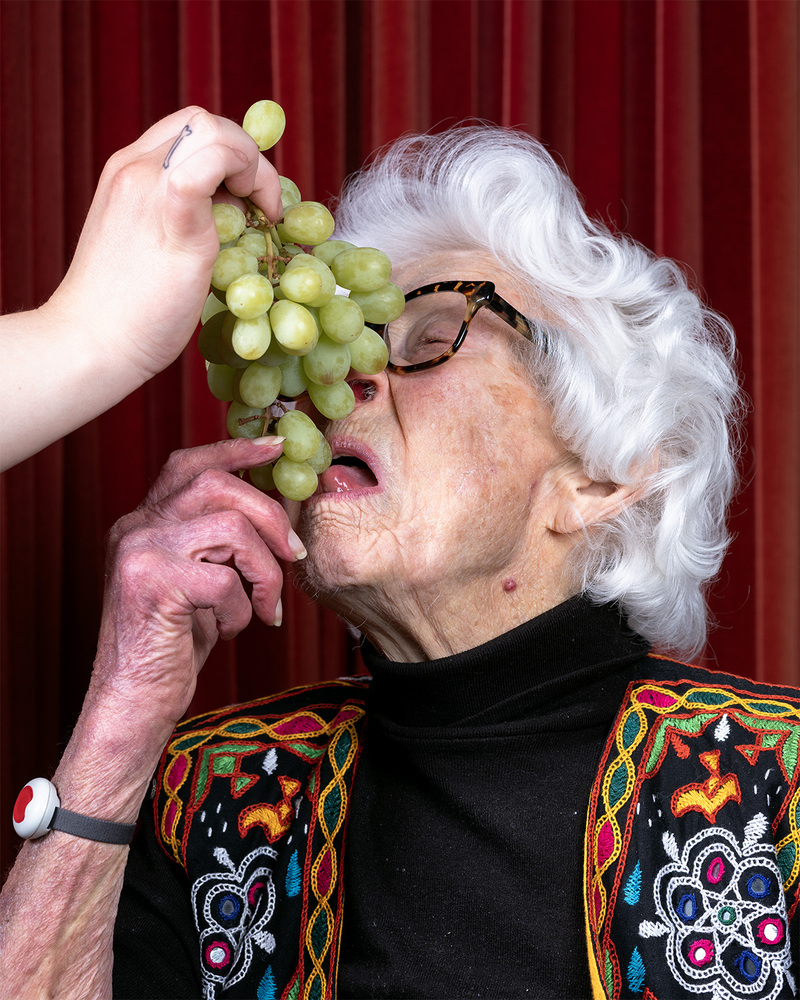
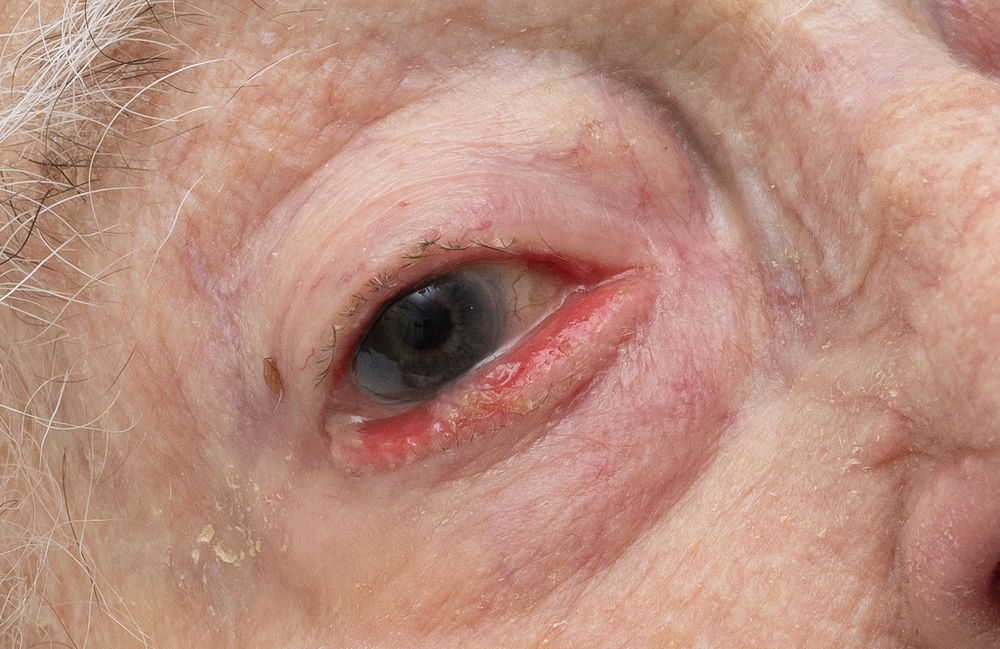
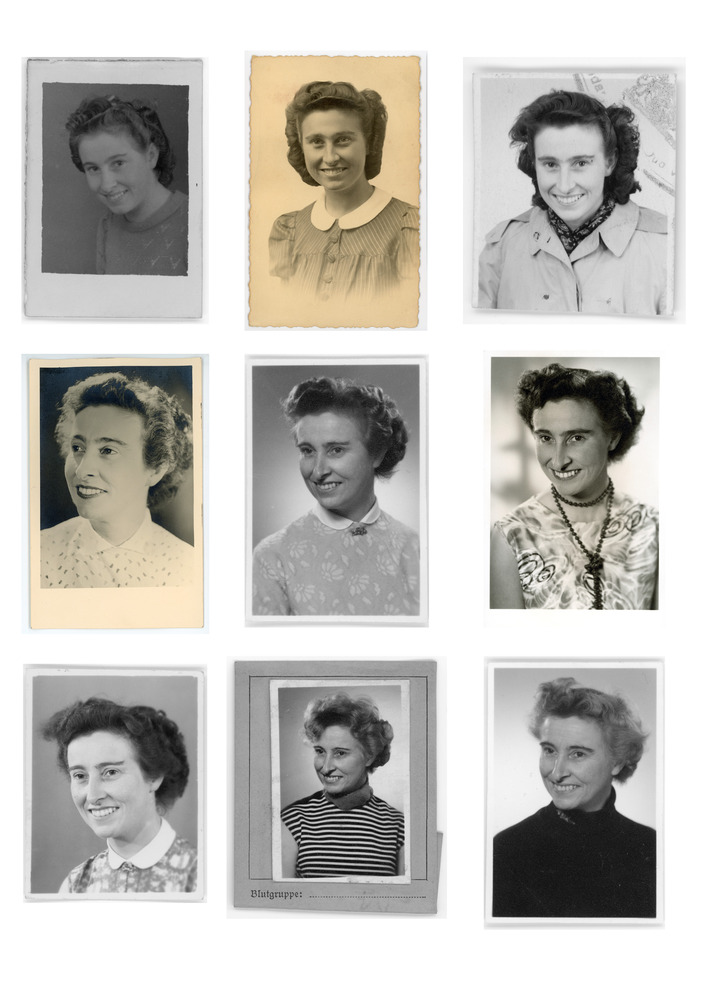
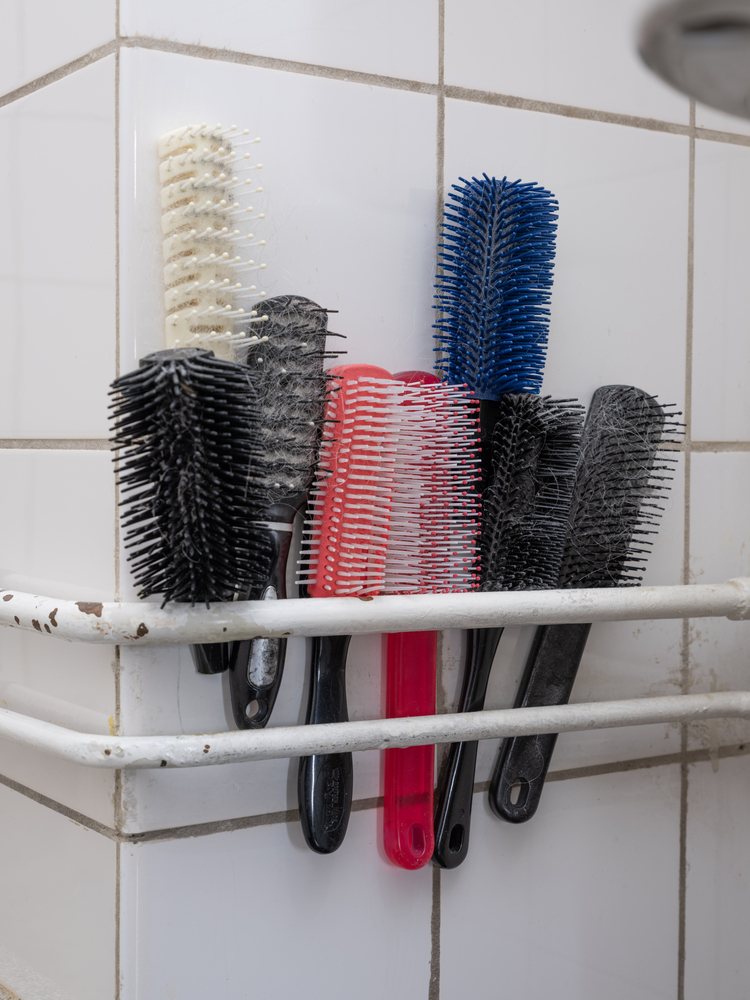
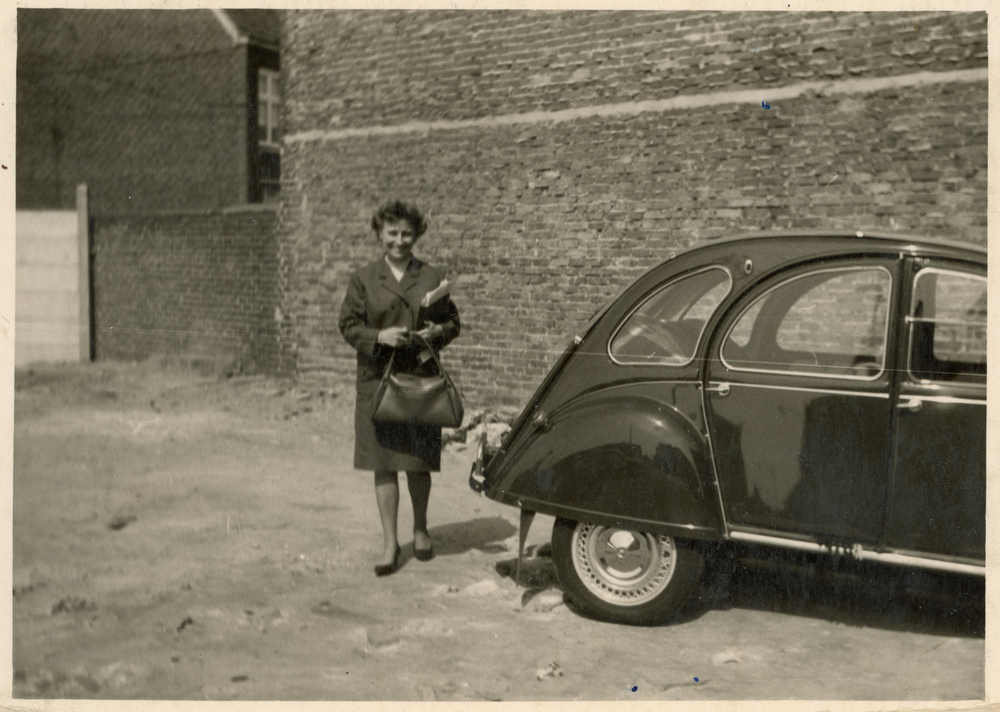
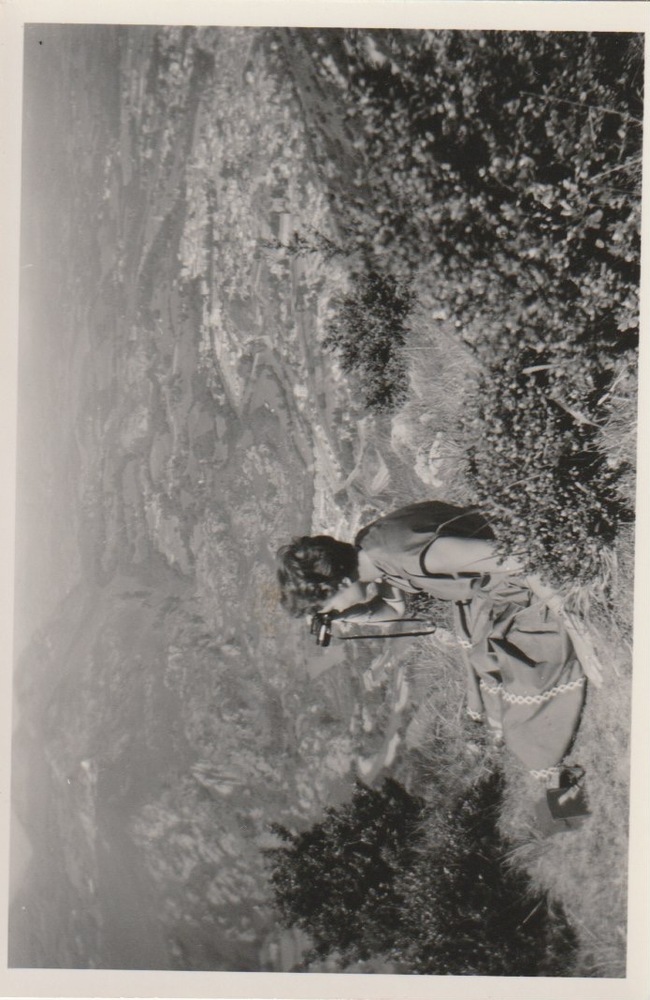
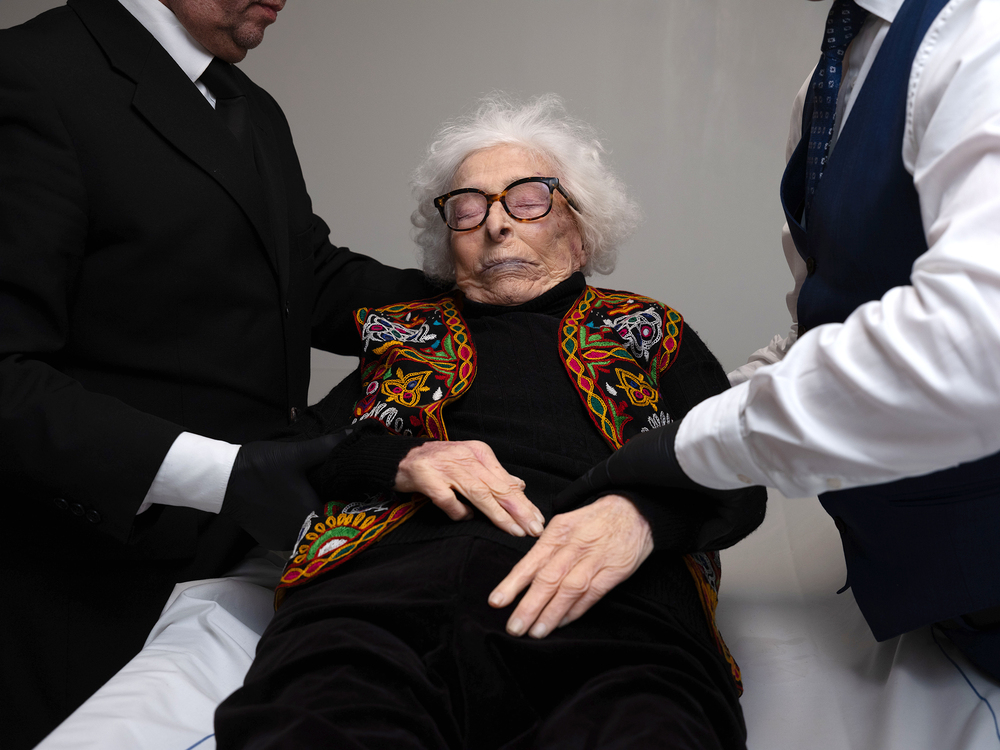
Let me introduce you to someone far more radical: my great-aunt, Jacoba Manders. In a country where growing old so often feels like disappearing, Jacoba was never invisible. She was not just family. Even with an age difference of seventy-one years, she felt like my best friend. Through my time with her, moments when I could almost feel her brittle bones piercing into mine. I rediscovered my role as a supporter, as someone who bears witness. I began to understand the weight of each fleeting moment, each fragile breath, as life nears its end. Images formed that hold both her history and the shadow of my future, a way to give shape to goodbye before it is ever spoken.
This work became a meditation on connection across generations, on the act of witnessing, on what it truly means to age and to die. It is about standing still with someone, even as time moves relentlessly on.
Jacoba showed me that the secret to life is not found in the extraordinary but in the unapologetic embrace of who you are. She was ahead of her time. Perhaps even ahead of ours.
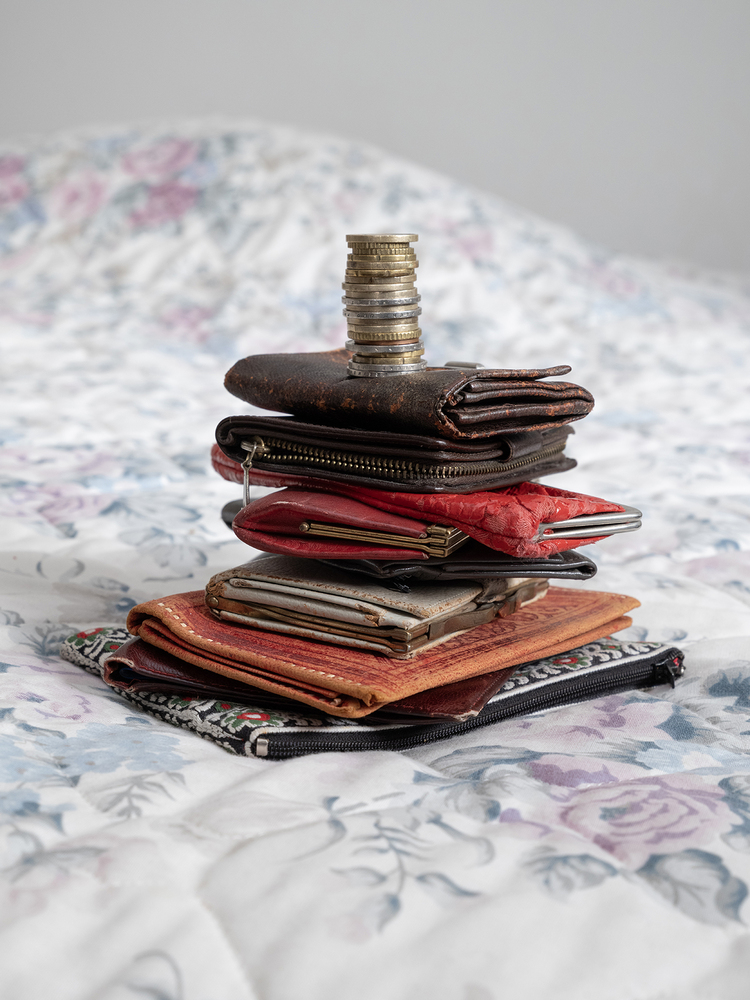
She leaves the most precious heritage I know, not in objects, but in emotions:
tenderness, resilience, truth. A gift that moves quietly through generations, unseen yet deeply felt. Jacoba’s inheritance is one of emotional knowledge, a legacy that does not fade but continues to guide the way we live on.
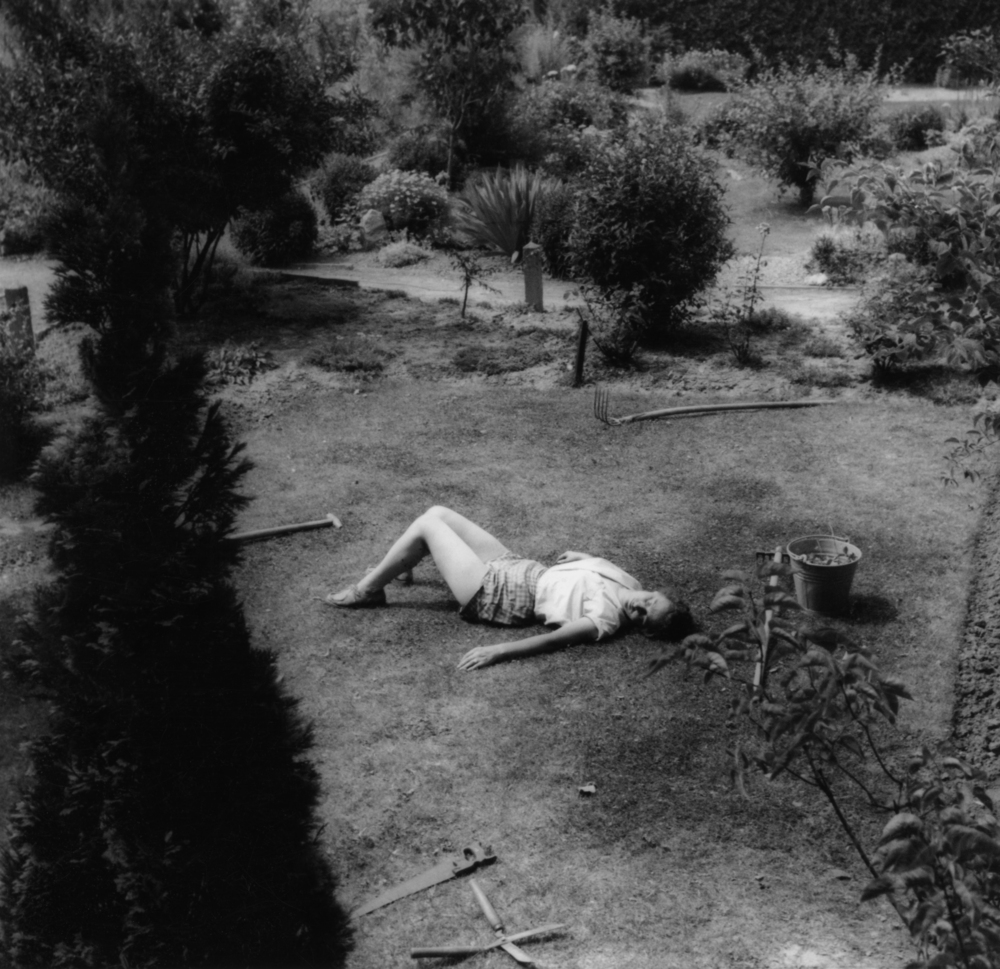

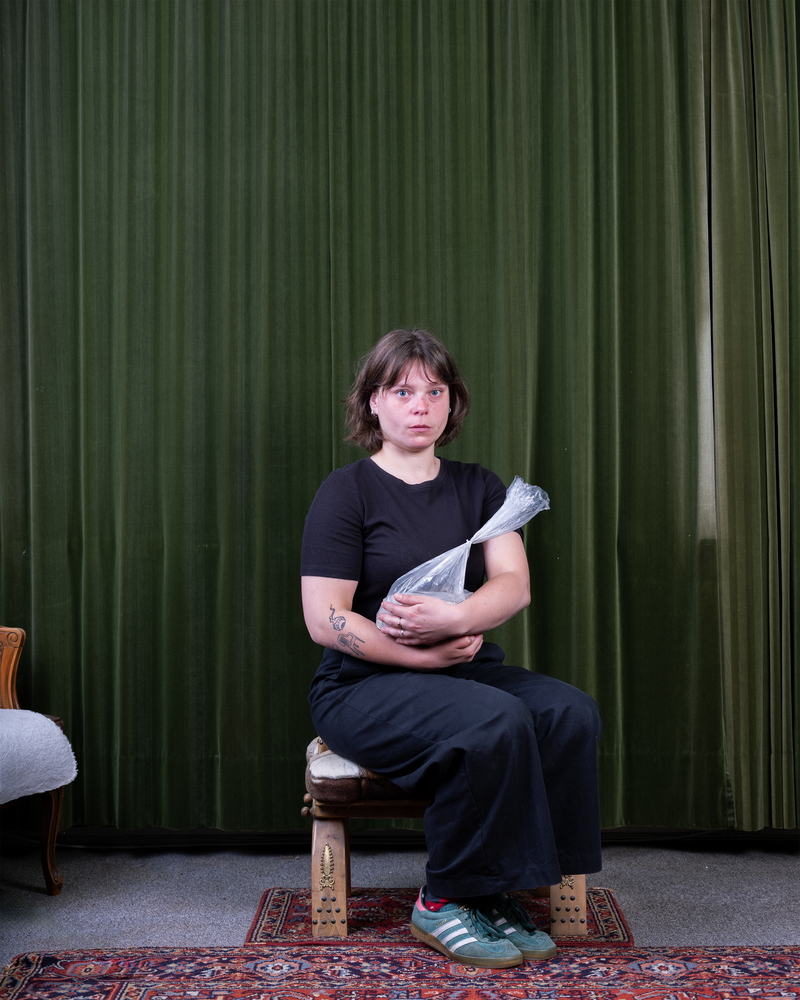
Losing a parent. What could it look like? A crash? A crime? An accident? Slow or fast?
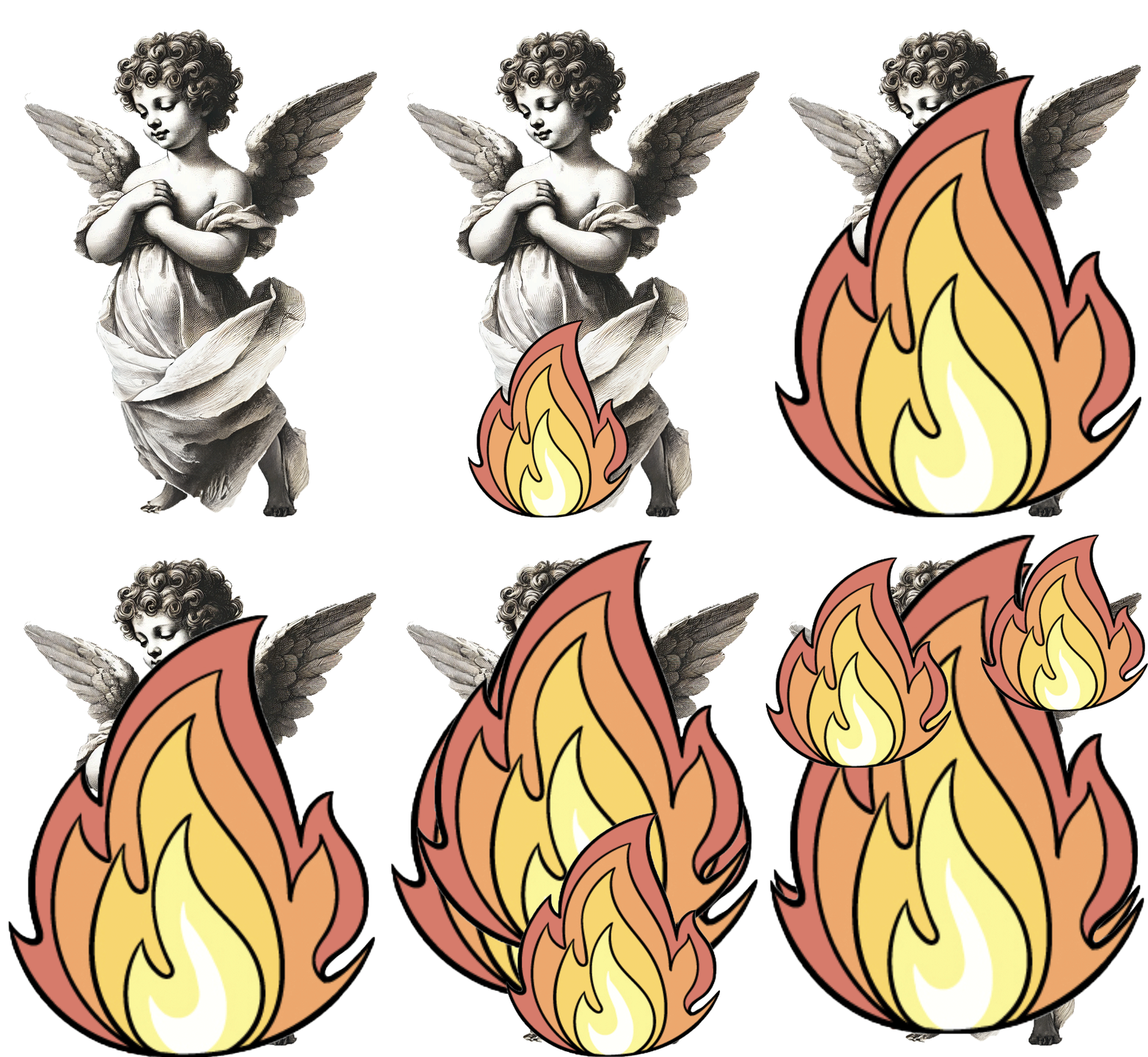
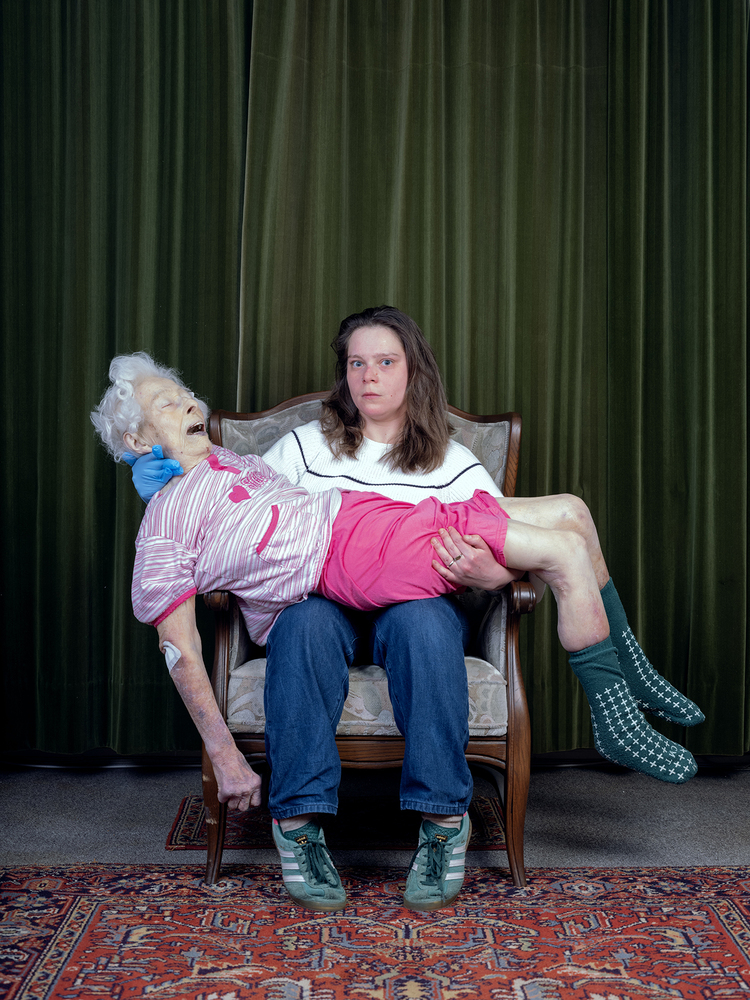
I hereby present my mom - she stars in her own death scene - and myself: the daughter who is looking for the best possible death. Could it be possible to die together someday, I wondered. Controlling the inevitable: it may seem impossible. However, by attempting to, we may be able to cope with what we fear most.
As a daughter and a photographer, I had the opportunity to master the narrative by placing death on a stage, surrounded by various elements that could interfere with the way my mother might die. Fear and shock linger around like two actors who both want the lead role. And the world as we know it today functions as the décor. It gives me the idea that I am a snake charmer who controls the danger by letting my mom die over and over again. Until we reach the grand finale and 'control' itself can be bitten by one of the snakes.